Stripped down, critically adored Blackbird illuminates without moralizing

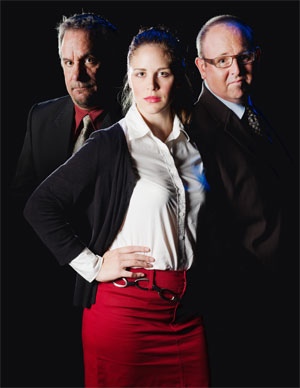
Blackbird: The script does the twist. photo: Richard Ellis
“He captures the way people speak when they aren’t in full control, when they are inarticulate, or their heart’s going to jump into their mouths,” says Kristina Watt, who plays Una. “They don’t finish sentences, their verb tenses are all over the place. Most of the play is unfinished thoughts unless,” here she pauses, “they just fly open.”
Harrower sounds like that rare, right kind of perfect playwright who can simply create an event and its ramifications without moralizing. He doesn’t condemn, says Koensgen, but he’s equally unafraid to pull any punches about it.
As far as the actors’ roles are concerned, “We’re not going inside… a story of abuse,” states Watt. “I don’t really think that’s the story.” And judging by the synopsis, she’s right: Una seeks out Ray not out of vengeance or regret, but out of the need to resolve what is essentially a destructive, fragmented love story. And the play continues to evolve from there, says Koensgen. “It just starts turning and turning and just keeps going that way. It’s not that there are plot twists, but it’s the human twists the script goes through.”
As appeared in the Ottawa XPress – Sept 09, 2010
http://www.ottawaxpress.ca/stage/stage.aspx?iIDArticle=20434