Nevermore
A musical, motley, macabre exploration of Edgar Allan Poe

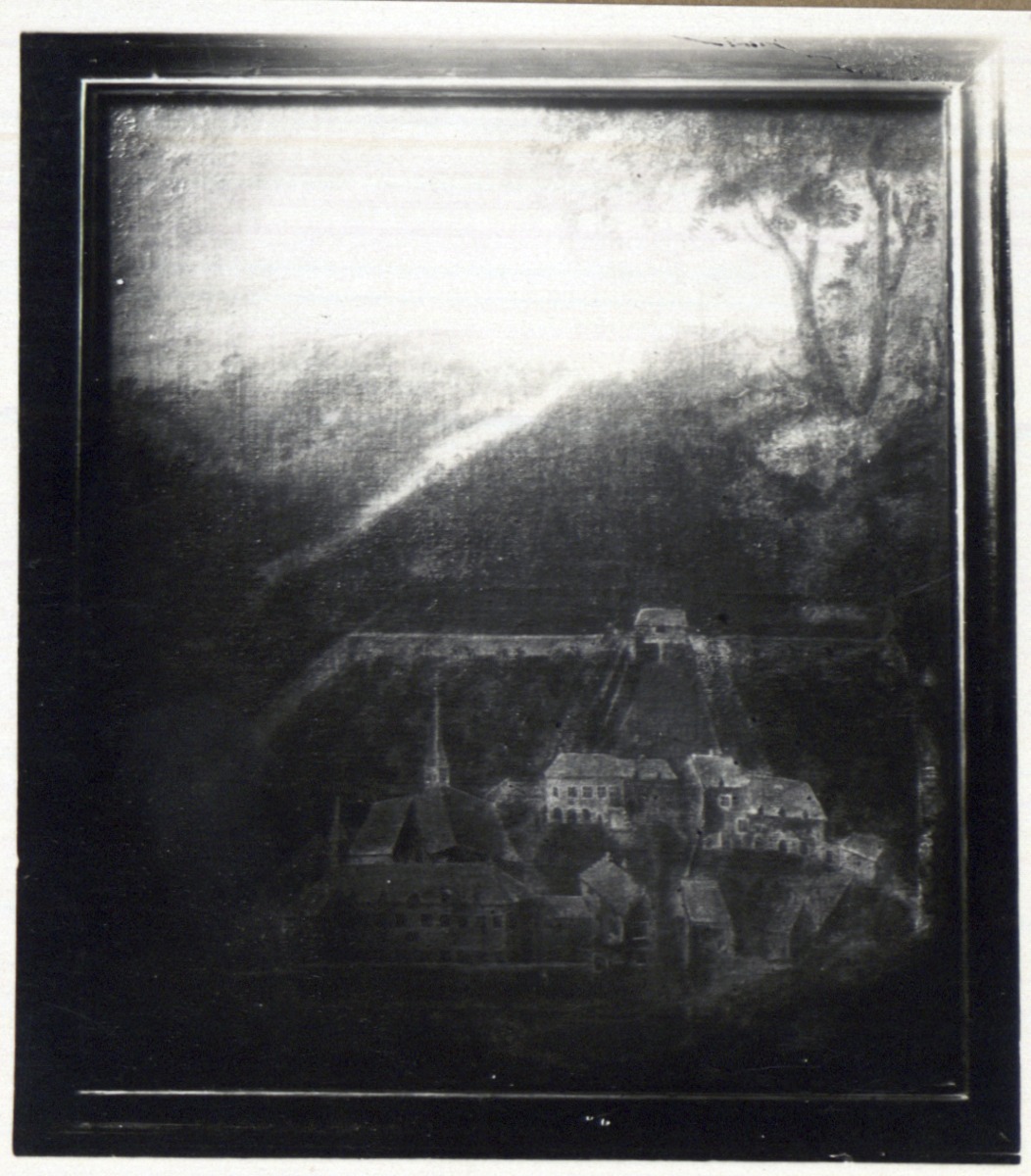
- Ryan Parker, Shannon Blanchet, and Sheldon Elter from Nevermore
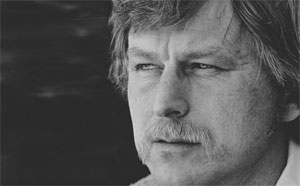
Edmonton’s Catalyst Theatre has been lauded by its home city with a multitude of theatrical awards and prizes. Impressed by these, and their previous work on a musical adaptation of Shelley’s Frankenstein, the Magnetic North theatre festival commissioned a piece to coincide with the 200th birthday of Edgar Allan Poe. But more than the coincidence of dates is the sympathy that writer and composer Jonathan Christenson has for the darkly whimsical and macabre themes in theatre.
“We live ordered lives,” says Christenson, “but lurking underneath that is a world of chaos and irrationality, of the inexplicable that threatens to take that away from us… for me Poe is a voice for the irrational.” After an immersion in the writings, biographies and histories of Poe, Christenson found a subject more suited to the theatre than he could have imagined.
His original intent of simply adapting Poe’s stories for the stage skewed when Christenson “found that his life was almost like one of his tales, but almost more macabre. He was plagued from the time he was a young child by the loss or death of everyone he cared most about. There seems to be throughout his life this constant, almost tangible pull to the grave.”
The further the production team delved into Poe’s life, the more interesting and compelling the theatrical ramifications became. Not popularly known are the elaborate structures of fiction that plague Poe’s legacy: The first biography of his life was written by his hated rival Griswold, for example, and Poe himself was a notorious liar. “He was constantly trying to manipulate the people around him to gain their sympathies.” The complexities of this puzzle made a genuinely compelling picture to Christenson: “When you look at the outside facts, there’s a mystery. You can only say, ‘This happened,’ and you can’t really say why.”
Nevermore seems to be a difficult play to categorize: It’s musical without being a musical; it’s biography admixed with fiction; it’s historical accuracy combined with the surreality of a fairytale world. Most interestingly, it’s a play that catalogues mourning and loss, but written in verse.
“[This] stems from my own interest in a theatrical style that is about recreating a kind of storybook telling… [In] trying to recapture that direct experience of being read to as a child, the way a child so entirely loses themselves in the story despite the simplicity of the way in which it’s presented to them.”
As appeared in the Ottawa XPress – May 28, 2009
http://www.ottawaxpress.ca/stage/stage.aspx?iIDArticle=17433